Year: 2026

Universitas Teknokrat Indonesia’s Metaverse CoE Holds “AI for Metaverse Creation” Training at SMKN 2 Bandar Lampung

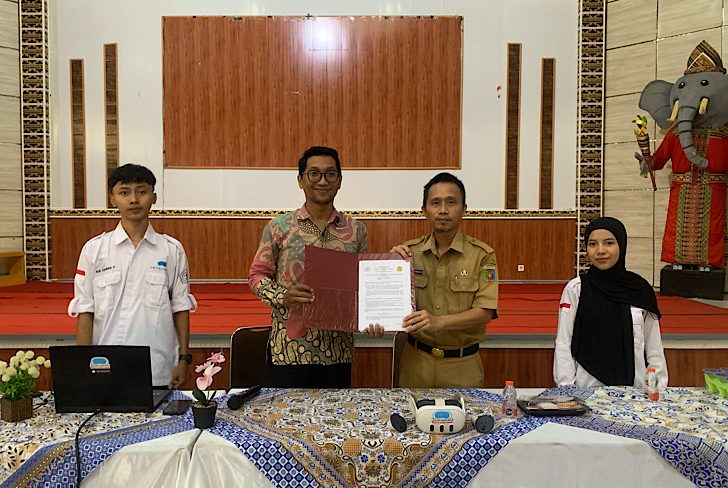
Bandar Lampung – Universitas Teknokrat Indonesia (UTI) continues to strengthen its commitment to developing digital talent through community engagement programs. One of its latest initiatives was the “AI for Metaverse Creation” training organized by the university’s Center of Excellence (CoE) Metaverse at SMKN 2 Bandar Lampung on Tuesday, May 12, 2026. The program represents UTI’s efforts to improve technology literacy among young people, particularly in Artificial Intelligence (AI), metaverse technology, and interactive virtual world development, which are becoming increasingly relevant amid global digital transformation. The training was attended by Ade Dwi Putra, M.Kom., a lecturer from UTI’s CoE Metaverse; Muhammad Iwan, M.Pd., Vice Principal of SMKN 2 Bandar Lampung; the CoE Metaverse student team; and students of SMKN 2 Bandar Lampung. Introducing Future Digital Technologies The activity began with remarks from SMKN 2 Bandar Lampung, which expressed its appreciation for the strategic collaboration with Universitas Teknokrat Indonesia in introducing future-oriented technologies to vocational high school students. In his remarks, Ade Dwi Putra, M.Kom., emphasized that understanding AI and metaverse technologies from an early stage is increasingly important for preparing students to meet the demands of the future digital industry. “Technology is developing at an extremely rapid pace. Therefore, students need direct exposure to AI and metaverse technologies so they can build stronger competencies and competitiveness in the digital era,” he said. The event continued with the signing of a Memorandum of Understanding (MoU) between Universitas Teknokrat Indonesia and SMKN 2 Bandar Lampung, marking their commitment to continued collaboration in education, research, and community engagement. Hands-On AI and Metaverse Development During the practical session, students were given the opportunity to create 3D assets using Artificial Intelligence-based tools. These assets were then imported into Roblox Studio and developed into interactive virtual environments. Students were also introduced to the process of creating a 3D virtual world that could be accessed through computers and Virtual Reality (VR) headsets. The entire practice session was supported by lecturers and students from UTI’s CoE Metaverse, allowing participants to experience the technology through direct, hands-on learning. The approach was designed to help students move beyond theoretical understanding and gain practical experience in applying emerging digital technologies. Building Industry-Relevant Digital Skills Yuri Rahmanto, M.Kom., Head of the UTI Metaverse CoE, explained that the training was designed to provide students with practical knowledge relevant to the current development of the digital industry. “We want to provide students with a learning experience that is practical and relevant to current industry needs. Through this training, students can understand how AI and metaverse technologies can be used to create interactive virtual worlds with significant potential across creative industries and education,” Yuri explained. He expressed hope that the program would encourage young people to continue developing their creativity and exploring opportunities in digital technology and immersive technology. University Commitment to Digital Innovation The Rector of Universitas Teknokrat Indonesia, Dr. H.M. Nasrullah Yusuf, S.E., M.B.A., expressed his appreciation for the CoE Metaverse initiative and its contribution to introducing emerging technologies to younger generations. “We strongly support initiatives that introduce future technologies to young people. Universitas Teknokrat Indonesia is committed to becoming an active institution in developing outstanding digital talent through innovation-driven education and collaboration,” Nasrullah Yusuf said. He added that stronger collaboration between universities and schools can play an important role in accelerating technology-based educational transformation in Indonesia. Meanwhile, Vice Rector of Universitas Teknokrat Indonesia, Dr. H. Mahathir Muhammad, S.E., M.M., also welcomed the implementation of the training. “This activity demonstrates Universitas Teknokrat Indonesia’s continued contribution to society, particularly in strengthening the digital competencies of young people. We hope students will become increasingly motivated to master AI and metaverse technologies as preparation for the future workforce,” Mahathir said. He also encouraged high school and vocational school graduates interested in digital technology, artificial intelligence, and future creative industries to pursue higher education at Universitas Teknokrat Indonesia. Supporting the Sustainable Development Goals The “AI for Metaverse Creation” training aligns with Universitas Teknokrat Indonesia’s commitment to supporting the Sustainable Development Goals (SDGs), particularly: Through programs such as this, Universitas Teknokrat Indonesia continues to strengthen digital literacy, promote future-oriented technological skills, and build meaningful partnerships with schools. The initiative reflects UTI’s broader commitment to preparing a generation that is innovative, adaptable, and ready to face the challenges of the global digital transformation.

Universitas Teknokrat Indonesia Pioneers AI Integration in School Education

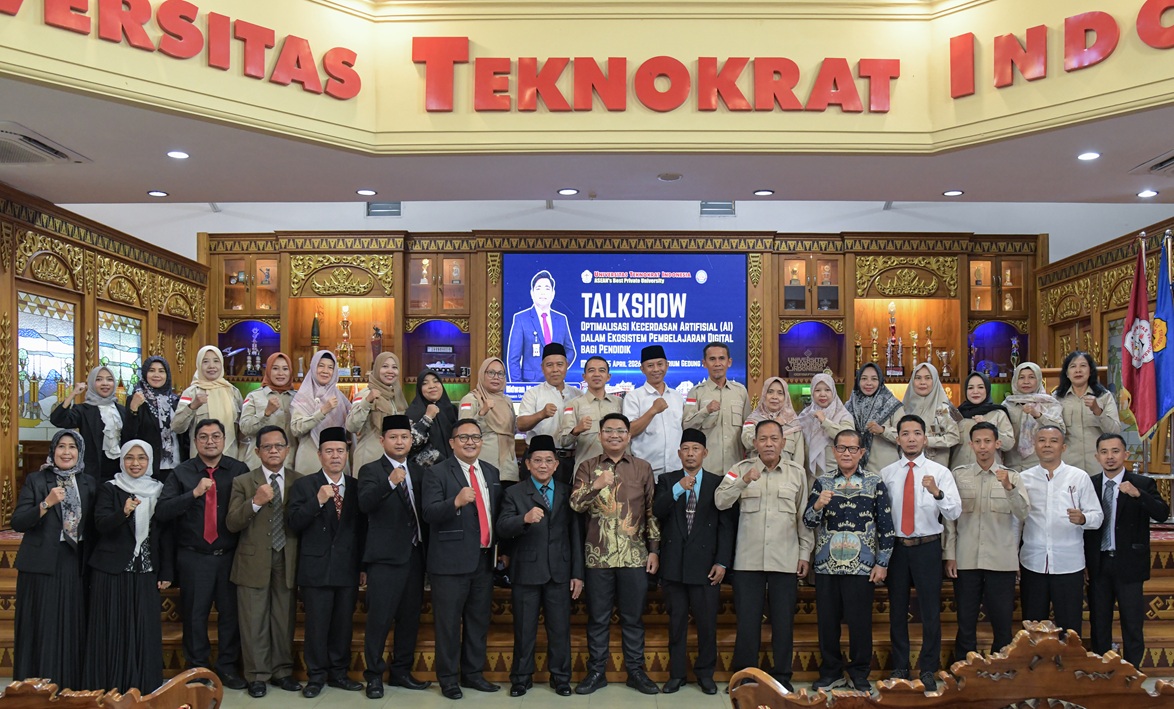
Bandar Lampung – Universitas Teknokrat Indonesia continues to strengthen its role in educational innovation by promoting the integration of Artificial Intelligence (AI) into school learning. This commitment was highlighted during a talk show titled “Optimizing Artificial Intelligence in the Digital Learning Ecosystem,” held at the Universitas Teknokrat Indonesia Auditorium on Wednesday, April 15, 2026. The event was organized as part of the Branch Conference of the Forum Komunikasi Kepala Sekolah Swasta (FKKS) of Bandar Lampung Vocational High Schools, bringing together school principals to discuss the opportunities and challenges of implementing AI in education. The session featured Ridwan Mahenra, S.Kom., M.Cs. (AI), a lecturer at Universitas Teknokrat Indonesia and an Artificial Intelligence specialist. He highlighted the potential of AI to support the learning process in the digital era, emphasizing that AI should not replace teachers but instead serve as a tool to improve the efficiency and quality of education. AI as a Solution to Educational Challenges During his presentation, Ridwan discussed one of the major challenges faced by educators: limited time due to heavy administrative responsibilities. These demands can reduce the time and attention teachers are able to devote to classroom learning. “AI is a collaborative solution. It works like a personal assistant that can read, summarize, and even write within seconds,” said Ridwan. He also pointed out the growing gap between rapid technological development and conventional teaching methods. As students become increasingly familiar with digital technology, educators need to adapt their approaches to ensure that learning remains relevant to the changing digital environment. AI-Powered Learning Innovations One of the innovations introduced during the session was Google NotebookLM, which can transform learning materials, such as textbooks, into podcast-style audio content. This approach can support auditory learners while providing students with a more engaging way to interact with educational materials. Ridwan also demonstrated how AI can assist teachers in preparing presentation materials. From summarizing teaching resources to creating slide outlines, AI can help reduce the time required to prepare classroom materials and allow teachers to focus more on the learning experience itself. Promoting Accurate and Responsible AI Use The workshop also addressed some of the limitations of AI, including the possibility of generating inaccurate information, commonly referred to as AI hallucinations. As a potential solution, participants were introduced to AI systems that can be configured to rely only on selected reference materials, such as textbooks and official documents uploaded by teachers. “AI can be configured to provide answers based only on verified sources and can even include page references, helping maintain the accuracy of educational content,” Ridwan explained. Participants were also introduced to effective prompt-writing techniques to produce more specific and practical AI outputs. These techniques can be applied to various educational tasks, including lesson-plan development and the preparation of assessment instruments. Encouraging Collaboration and School Implementation Suprihatin, S.Pd., Chair of the FKKS of Bandar Lampung Vocational High Schools, welcomed the initiative and highlighted its value in helping educators adapt to technological developments. “We hope that our collaboration with Universitas Teknokrat Indonesia can continue so that technologies such as AI can be implemented effectively in schools,” she said. A similar view was expressed by Sigit Haryadi, S.ST.Par., M.Par., Principal of SMK Kridawisata Bandar Lampung, who emphasized that understanding AI should begin with educational leaders before being introduced more broadly to students. He also expressed his commitment to following up on the program through further training for teachers and school principals. University Commitment to Educational Innovation The Rector of Universitas Teknokrat Indonesia, Dr. H.M. Nasrullah Yusuf, S.E., M.B.A., expressed his appreciation for the initiative and described it as part of the university’s efforts to promote innovation in education. “The use of AI in education is becoming increasingly important. This technology is not intended to replace teachers, but to strengthen their role so they can focus more on meaningful learning,” said the Rector. He emphasized that Universitas Teknokrat Indonesia will continue promoting the integration of technology into education to create a learning environment that is adaptive, innovative, and capable of competing in the global era. Supporting the Sustainable Development Goals (SDGs) The initiative reflects Universitas Teknokrat Indonesia’s commitment to supporting the Sustainable Development Goals (SDGs), particularly SDG 4 – Quality Education, through efforts to strengthen teachers’ competencies and promote technology-based learning innovations. The integration of AI into education also contributes to SDG 9 – Industry, Innovation, and Infrastructure by encouraging digital transformation in the education sector and preparing human resources with the skills needed to navigate an increasingly technology-driven global environment. Through initiatives such as this talk show, Universitas Teknokrat Indonesia continues to strengthen collaboration with schools while encouraging educators to explore the responsible and effective use of AI in education. The initiative represents an effort to prepare both teachers and students for a future in which digital technologies play an increasingly important role in learning and professional life.

Universitas Teknokrat Indonesia Introduces Artificial Intelligence to Al Kautsar High School Scouts Through “Sigma Future Skills” Workshop

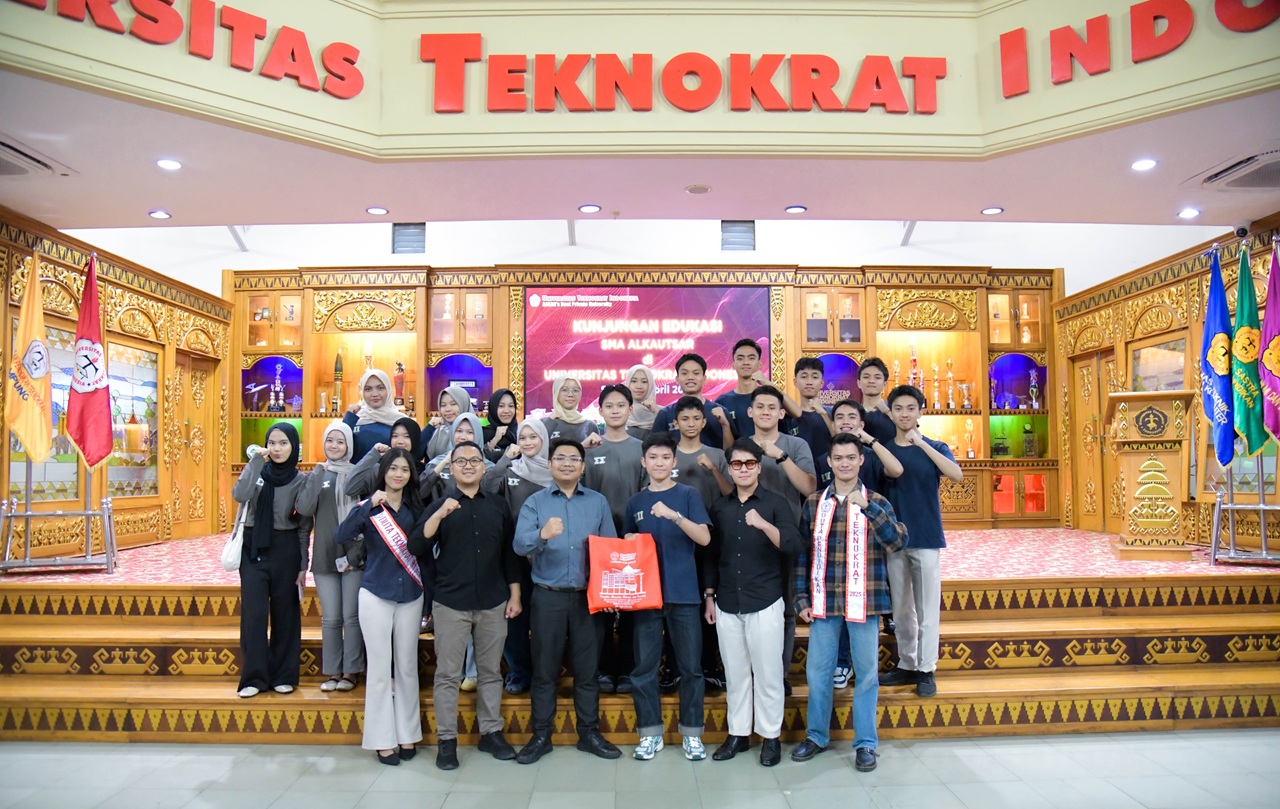
Bandar Lampung – Universitas Teknokrat Indonesia (UTI), a leading university in Lampung, continues to expand digital technology literacy among students through innovative educational initiatives. As part of this commitment, UTI welcomed members of the Scout Movement from Gugus Depan 11.021–11.022, representing the Al Kautsar Foundation in Bandar Lampung, for a workshop titled “Sigma Future Skills: AI Workshop” on Saturday, April 25, 2026. The event was designed to provide high school students with both fundamental knowledge and practical experience in Artificial Intelligence (AI). Held on the UTI campus, the workshop began at 1:15 p.m. Western Indonesia Time and featured Ridwan Mahenra, S.Kom., M.Cs. (AI), an academic at UTI and Head of the Center of Excellence Artificial Intelligence (NeuroMind), as the main speaker. Introducing AI Through a Practical Learning Approach During his presentation, Ridwan emphasized that AI is no longer an exclusive or overly complicated technology for students. Through the “From Zero to Hero” learning approach, participants were introduced to fundamental concepts such as Machine Learning and Computer Vision in a simple and practical manner. “We want to change the perception that AI is complicated. With the right approach, students can learn and even develop AI-based innovations from an early age,” said Ridwan. Beyond theoretical explanations, participants also engaged in hands-on activities using Google Teachable Machine. Through the project “Scout Attribute Detection AI,” students learned how to train a computer system to recognize scouting accessories, such as scout neckerchiefs, using a camera in real time without requiring programming skills. This practical learning experience received positive responses from participants. In addition to improving their technical understanding, the activity helped build students’ confidence in using modern technology creatively and productively. Promoting Responsible and Ethical AI Use The workshop also highlighted the importance of ethics when utilizing artificial intelligence. Ridwan explained that AI should serve as a learning co-pilot, rather than an instant solution for completing assignments without understanding the material. “AI must be used responsibly. Students still need to think critically and verify information to avoid misinformation and misleading content,” he emphasized. This approach encouraged students to recognize both the opportunities and responsibilities associated with AI, particularly in educational settings. By combining technological knowledge with critical thinking, the workshop aimed to prepare students to use AI more effectively and responsibly. Strengthening Collaboration Between Universities and Schools The educational visit represents part of Universitas Teknokrat Indonesia’s efforts to strengthen collaboration with educational institutions in Lampung while supporting technology-based educational transformation. Vice Rector of Universitas Teknokrat Indonesia, Dr. H. Mahathir Muhammad, S.E., M.M., expressed his support for the program and emphasized its importance in preparing young people for the digital era. “We are committed to continuing to provide educational programs that are relevant to technological developments. Through activities like this, students can become not only technology users but also innovators in the future,” he stated. He further explained that partnerships between universities and schools play a key role in developing an educational ecosystem that is adaptive, innovative, and aligned with the demands of the times. The educational visit is expected to serve as a starting point for continued cooperation between Universitas Teknokrat Indonesia and various educational institutions, particularly in developing essential 21st-century skills such as digital literacy, creativity, and critical thinking. Supporting the Sustainable Development Goals (SDGs) The “Sigma Future Skills: AI Workshop” supports the Sustainable Development Goals (SDGs), particularly through technology-based learning and educational collaboration. Through initiatives such as this workshop, Universitas Teknokrat Indonesia continues to promote digital literacy, responsible technology use, and innovation among younger generations. The program demonstrates the value of connecting higher education with schools to develop students who are better prepared for future technological developments.

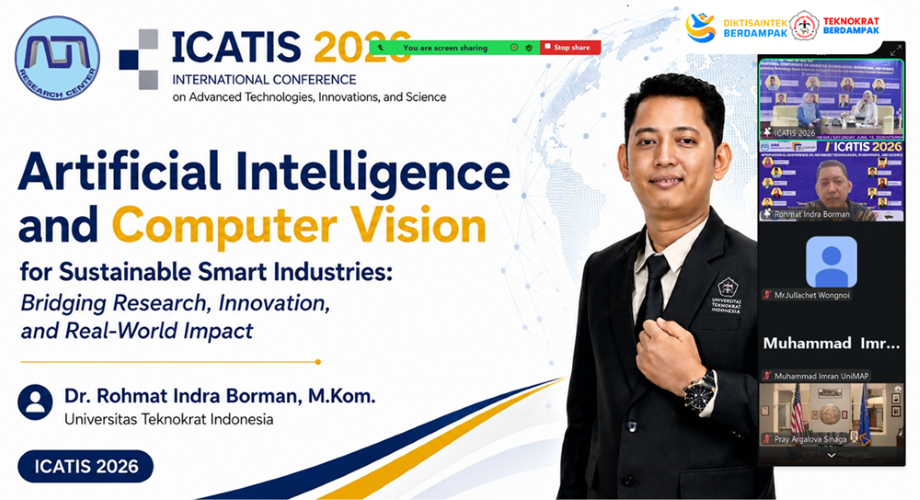
Universitas Teknokrat Indonesia Lecturer Invited as Speaker at ICATIS 2026, Presenting AI Innovations for Sustainable Smart Industries

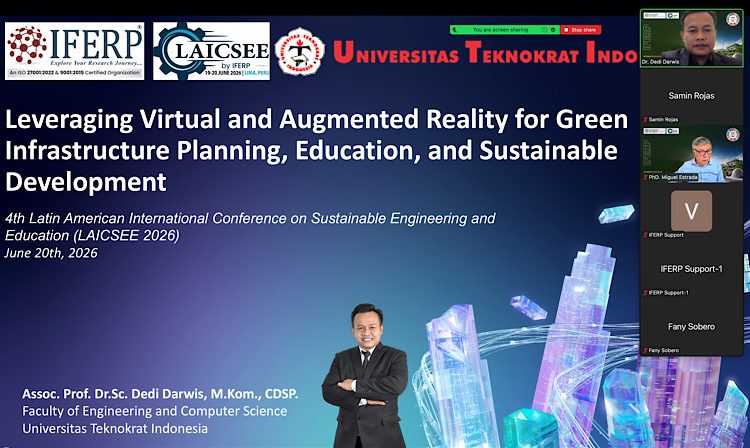
Bandar Lampung – Universitas Teknokrat Indonesia (UTI), recognized for its contributions to higher education in Lampung, has once again achieved international recognition through the accomplishments of Dr. Rohmat Indra Borman, M.Kom. He was invited to serve as a speaker at the International Conference on Advanced Technologies, Innovations, and Science (ICATIS) 2026, highlighting the university’s contributions to global research and technological innovation. Held in a hybrid format on Saturday, June 13, 2026, the international conference brought together academics, researchers, technology professionals, and experts from various countries. The event provided a platform for participants to exchange research findings, innovative ideas, and the latest developments in science and technology. Presenting AI and Computer Vision for Sustainable Smart Industries During the conference, Dr. Rohmat Indra Borman delivered a presentation titled “Artificial Intelligence and Computer Vision for Sustainable Smart Industries: Bridging Research, Innovation, and Real-World Impact.” His presentation explored recent research and technological developments focused on applying Artificial Intelligence (AI) and Computer Vision to support the advancement of sustainable smart industries. The topics covered several strategic areas, including Smart Agriculture, Intelligent Transportation Systems, Healthcare AI, and Artificial Intelligence of Things (AIoT). These technologies have the potential to improve efficiency, productivity, and sustainability across various sectors. Dr. Rohmat emphasized that technological development should go beyond automation and deliver tangible benefits to society while supporting sustainable development. “Research and technological innovation must address real-world challenges. Artificial Intelligence and Computer Vision have significant potential to help solve problems in agriculture, healthcare, transportation, and industry. Therefore, collaboration between academia, industry, and government is essential to accelerate the implementation of technology that creates positive impacts for society,” he stated during the conference. ICATIS 2026 featured keynote speakers, researchers, academics, and professionals from several countries, including Indonesia, Malaysia, Brunei Darussalam, and Thailand. Dr. Rohmat’s participation as an invited speaker highlights the international platform available for sharing research and innovation developed by Universitas Teknokrat Indonesia. Participation in international forums such as ICATIS also provides opportunities to expand academic networks, strengthen international research partnerships, and showcase the contributions of Indonesian higher education institutions to scientific and technological advancement. Vice Rector Applauds International Achievement Dr. H. Mahathir Muhammad, S.E., M.M., Vice Rector of Universitas Teknokrat Indonesia, expressed his appreciation and pride in Dr. Rohmat Indra Borman’s achievement. “We are very proud of the trust placed in Dr. Rohmat Indra Borman as an invited speaker at ICATIS 2026. His participation in this international forum demonstrates that the quality of research and innovation produced by Universitas Teknokrat Indonesia’s lecturers can compete and gain recognition at the global level,” said Mahathir. He explained that the achievement reflects the university’s commitment to developing a strong academic culture, promoting high-quality research, and expanding international collaboration. “We continue to encourage lecturers to actively conduct research, publish scientific work, and participate in international academic forums. Through these efforts, Universitas Teknokrat Indonesia can expand its contribution to scientific and technological development while creating meaningful benefits for society,” he added. Mahathir also highlighted the importance of lecturers’ participation in international academic forums as an inspiration for students to develop their skills, strengthen their research culture, and pursue opportunities on the global stage. The involvement of Universitas Teknokrat Indonesia’s lecturers in international conferences further demonstrates the institution’s engagement in technological development, innovation, and digital transformation in the modern era. Supporting the Sustainable Development Goals (SDGs) The research topics presented by Dr. Rohmat Indra Borman at ICATIS 2026 are closely connected to the Sustainable Development Goals (SDGs), particularly through the application of AI and smart technologies. SDG 2 (Zero Hunger) is supported through Smart Agriculture, which can help improve agricultural productivity and efficiency by utilizing intelligent technologies. Meanwhile, SDG 3 (Good Health and Well-Being) is relevant to Healthcare AI, which offers opportunities to improve healthcare services and support early detection systems through artificial intelligence. Research in Artificial Intelligence, Computer Vision, and AIoT also aligns with SDG 9 (Industry, Innovation, and Infrastructure) by promoting industrial transformation toward more efficient, modern, and sustainable systems. Furthermore, Intelligent Transportation Systems and smart city technologies contribute to SDG 11 (Sustainable Cities and Communities) by supporting the development of safer, more efficient, and environmentally friendly transportation systems. Through the active involvement of its lecturers in research and international academic forums, Universitas Teknokrat Indonesia continues to demonstrate its commitment to global development goals and technological innovation that benefits society. Strengthening Technological Innovation and Global Collaboration Dr. Rohmat Indra Borman’s participation in ICATIS 2026 reflects Universitas Teknokrat Indonesia’s efforts to strengthen its contribution to international research and innovation. The university’s commitment extends beyond teaching and education to include the development of research that addresses emerging challenges in society and industry. By promoting collaboration, scientific publication, and technological development, UTI continues to support the growth of academic excellence and innovation. This achievement highlights the importance of connecting research with real-world applications, while encouraging lecturers and students to contribute to the advancement of science and technology in Indonesia and around the world.

Impactful Lecturer at Universitas Teknokrat Indonesia Named Among the World’s Top 5% Scientists 2026, Demonstrating World-Class Research Excellence

Bandar Lampung – Universitas Teknokrat Indonesia, recognized as one of the leading impactful universities in Lampung, has once again achieved international recognition. Dr. Rohmat Indra Borman, M.Kom., one of the university’s distinguished lecturers, has been listed among the World’s Top 5% Scientists 2026 by SciRank Global. This prestigious recognition highlights researchers who demonstrate outstanding scientific productivity and research impact. The achievement reflects the growing quality of research conducted by the academic community at Universitas Teknokrat Indonesia, demonstrating its ability to compete and gain recognition on the international stage. It also reinforces the university’s commitment to advancing scientific knowledge, technological innovation, and global academic collaboration. According to data released by SciRank Global in 2026, the World’s Top 5% Scientists recognition is awarded to researchers ranked among the top five percent globally based on scientific publication productivity and citation impact. The ranking process reportedly analyzes more than 8 million active researchers and approximately 20 million scientific publications from various countries. SciRank Global is an international researcher-ranking platform that utilizes bibliometric data to assess academic contributions and the impact of researchers on the advancement of global knowledge. Global Research Contributions in AI and Computer Vision Dr. Rohmat Indra Borman is an academic and researcher who has actively contributed to the fields of Artificial Intelligence (AI) and Computer Vision. His research has been published in reputable international journals and presented at global scientific forums, receiving citations from researchers across different countries. In addition to his academic publications, Dr. Rohmat has participated in national and international research collaborations focused on applying artificial intelligence to address challenges in various sectors, including industry, agriculture, healthcare, and digital transformation. His accomplishments highlight the increasing contribution of Indonesian researchers, particularly those from Universitas Teknokrat Indonesia, to the development of global technology and scientific innovation. Vice Rector Highlights International Recognition of Research Quality Universitas Teknokrat Indonesia Vice Rector, Dr. H. Mahathir Muhammad, S.E., M.M., expressed his appreciation and pride in Dr. Rohmat Indra Borman’s achievement. He stated that this international recognition serves as an important indicator of the quality of research produced by the university’s lecturers and their ability to meet global academic standards. “This achievement is a great source of pride for Universitas Teknokrat Indonesia. Dr. Rohmat Indra Borman’s inclusion in the World’s Top 5% Scientists list demonstrates that research conducted by Teknokrat lecturers is of high quality, relevant, and capable of making a meaningful contribution to the advancement of global knowledge,” said Mahathir. He further explained that the university would continue supporting lecturers in improving the quality of scientific publications, expanding international research networks, and developing innovations that address challenges faced by society and industry. “We are committed to building a strong research ecosystem through publication mentoring programs, research grant support, international collaboration, and initiatives to strengthen researchers’ capabilities. We hope that more Teknokrat lecturers will receive international recognition and contribute to the progress of the nation,” he added. Rector: An Achievement That Inspires the Academic Community The Rector of Universitas Teknokrat Indonesia, Dr. HM Nasrullah Yusuf, S.E., M.B.A., also extended his congratulations and appreciation for Dr. Rohmat Indra Borman’s accomplishment. According to him, the achievement reflects the hard work, consistency, and dedication demonstrated in fulfilling the university’s three pillars of higher education, particularly in research and scientific development. “We are extremely proud of Dr. Rohmat Indra Borman’s achievement in receiving international recognition as one of the World’s Top 5% Scientists. This accomplishment not only brings honor to Universitas Teknokrat Indonesia but also demonstrates that Indonesian academics are capable of competing on the global stage,” said Nasrullah Yusuf. He expressed his hope that this achievement would encourage lecturers and students to continue conducting high-quality research, developing innovative ideas, and producing work that benefits society. “This success serves as an inspiration for the younger academic generation to continue innovating, conducting research, and producing impactful scientific work. Universitas Teknokrat Indonesia will continue supporting the development of outstanding researchers who can contribute to national development through science and technology,” he added. Strengthening a Culture of Research and Innovation As a higher education institution committed to innovation, Universitas Teknokrat Indonesia places research as one of the key pillars of institutional development. The university continues to implement various strategic initiatives to improve research productivity among lecturers and students. These initiatives include mentoring for international publications in reputable journals, internal research grants, strengthened partnerships with national and international institutions, and the organization of seminars, conferences, and scientific forums that support academic development. In recent years, Universitas Teknokrat Indonesia has reported significant growth in international scientific publications, competitive research grants, and technology-based innovations designed to deliver meaningful benefits to society. Through these efforts, the university continues to develop an academic environment that supports scientific advancement, research collaboration, and sustainable innovation. Supporting the Sustainable Development Goals (SDGs) Dr. Rohmat Indra Borman’s achievement is also aligned with Universitas Teknokrat Indonesia’s commitment to supporting the Sustainable Development Goals (SDGs). The recognition contributes to SDG 4 (Quality Education) by supporting improvements in research-based higher education, scientific publications, and the development of skilled human resources in science and technology. Furthermore, research in Artificial Intelligence and Computer Vision is relevant to SDG 9 (Industry, Innovation, and Infrastructure) through its potential to support technological innovation, digital transformation, and industrial competitiveness. Meanwhile, research collaborations with national and international partners contribute to SDG 17 (Partnerships for the Goals) by strengthening global academic networks and promoting cooperation in advancing knowledge and sustainable innovation. Through its commitment to research excellence and international collaboration, Universitas Teknokrat Indonesia continues to encourage academic achievements that support the advancement of science, technology, and sustainable development.

Universitas Teknokrat Indonesia AI Researcher Recognized as One of Malaysia’s “Top 20 Rising AI Leaders”

Bandar Lampung – The Center of Excellence in Artificial Intelligence (CoE AI) at Universitas Teknokrat Indonesia has once again gained international recognition through the achievement of one of its researchers. Ridwan Mahenra, an Artificial Intelligence lecturer and researcher at Universitas Teknokrat Indonesia, has been recognized as one of the “Top 20 Rising AI Leaders” at the 7th DMAT CONFEX Malaysia 2026. The prestigious recognition was presented as part of the Digital Marketing, Advertising and Technology Conference & Exhibition (DMAT CONFEX) 2026, organized by DIGITALCONFEX and held on April 25, 2026, in Kuala Lumpur, Malaysia. Ridwan received the recognition for his contributions to the development and application of Artificial Intelligence, particularly in Computer Vision, Natural Language Processing (NLP), and Edge AI. His research and innovation activities focus on developing practical AI solutions that address real-world challenges across various sectors. As part of the Center of Excellence in Artificial Intelligence at Universitas Teknokrat Indonesia, Ridwan also plays an important role in fostering AI research and innovation within the academic community. Together with fellow researchers and students, the CoE AI team continues to explore and develop AI-based technologies that are applicable and relevant to current technological developments. Reflecting on the achievement, Ridwan expressed his appreciation for the support provided by Universitas Teknokrat Indonesia in creating an environment that encourages lecturers, researchers, and students to pursue research and technological innovation. “This achievement would not have been possible without the support of Universitas Teknokrat Indonesia, which continues to provide opportunities and facilities for lecturers and researchers to grow. This recognition motivates us to develop AI innovations that are not only academically strong but also capable of creating meaningful benefits for society,” said Ridwan. According to Ridwan, the rapid development of Artificial Intelligence presents significant opportunities for Indonesia to accelerate digital transformation. AI can be applied across a wide range of sectors, including education, healthcare, the creative industry, cybersecurity, and public services. Through the CoE AI, Universitas Teknokrat Indonesia continues to promote collaboration between academia, research, students, and industry in developing AI technologies. This approach aims to produce innovations that go beyond academic contributions and provide practical value for society and industry. The Top 20 Rising AI Leaders recognition marks another milestone in the CoE AI’s efforts to expand its contribution to the field of Artificial Intelligence. International recognition such as this also creates opportunities to strengthen research networks and establish broader collaborations in AI development. Moving forward, the Center of Excellence in Artificial Intelligence at Universitas Teknokrat Indonesia remains committed to advancing Artificial Intelligence research and innovation through collaboration among lecturers, researchers, students, industry partners, and national and international institutions. Through these initiatives, CoE AI aims to contribute to the development of innovative AI technologies and skilled human resources capable of addressing the challenges of digital transformation and the evolving technological landscape.

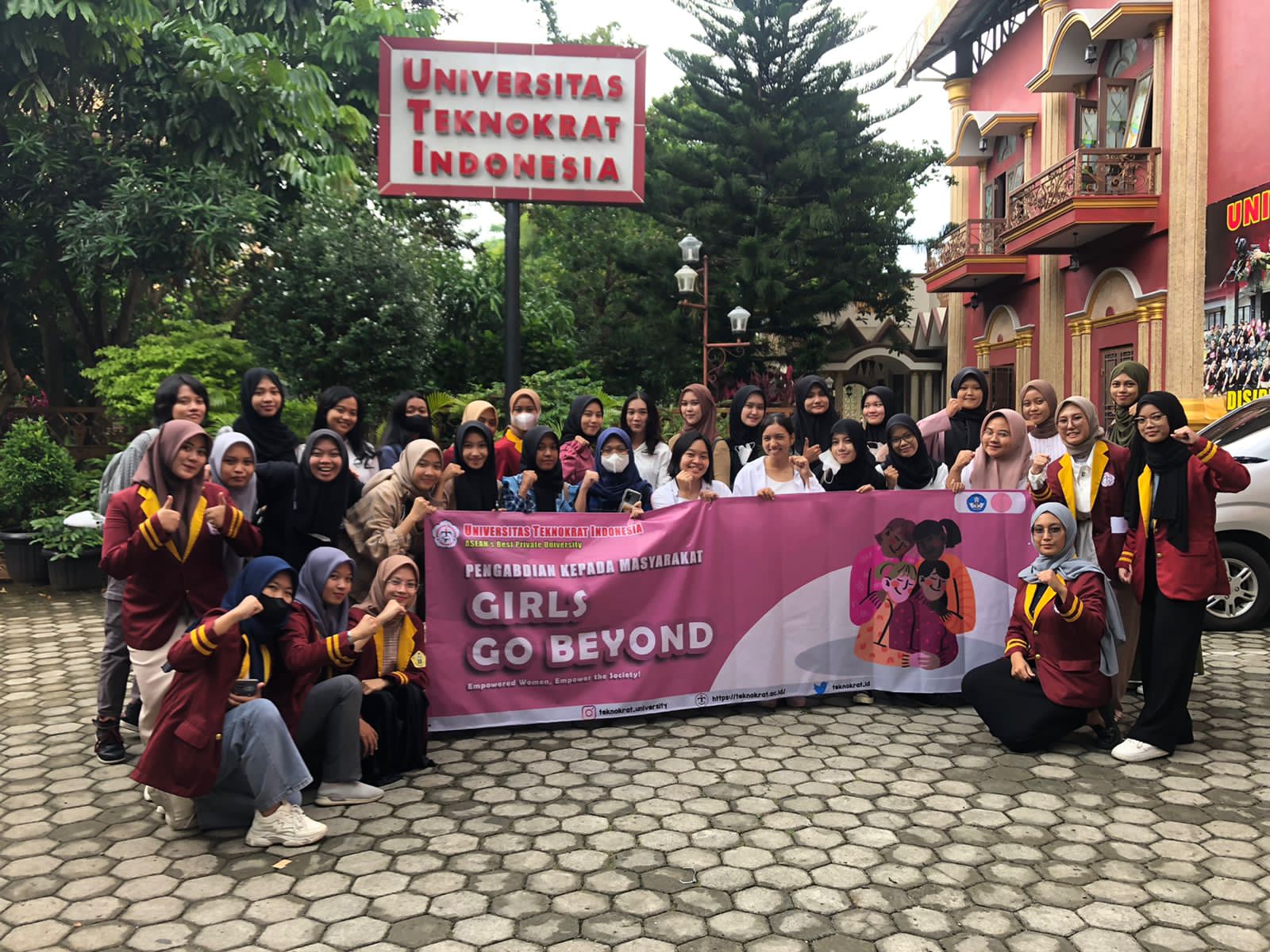
Technokrat University Students Launch Women’s Empowerment Project “Girls Go Beyond”

Three students from Universitas Teknokrat Indonesia (UTI) have launched a youth-led initiative focused on women’s empowerment called “Girls Go Beyond.” The initiative was founded by Shavina Lestiani, Sekar Kinasih, and Rizma Amalia Sa’adah, sixth-semester students from the English Literature Study Program at Universitas Teknokrat Indonesia. The project was developed under the guidance of Intan Hamzah, M.Pd. and Suprayogi, M.Hum. Girls Go Beyond is a series of educational and training activities designed to help young women in Lampung build greater self-confidence, develop self-awareness, and learn how to protect themselves from potential threats and violence. The program consists of two main activities: self-care training and a seminar on sexual violence against women. Through the self-care training, participants are introduced to the importance of personal hygiene, grooming, and personal branding as part of their personal development and future career preparation. The program was developed in response to survey findings from several institutions indicating that many young women experience insecurity regarding their physical appearance and body image. Through self-care education, Girls Go Beyond encourages participants to develop positive attitudes toward themselves and strengthen their sense of self-love and self-confidence. Beyond personal development, the program also aims to encourage young women to recognize and maximize their potential so they can pursue better opportunities in education and future careers. The second component of the program focuses on sexual violence awareness. This activity was initiated in response to concerns about cases of sexual violence in Lampung, particularly those involving children and adolescent girls. Information about such cases has frequently been reported through local news outlets. During the seminar, participants learn to recognize different forms of sexual harassment and violence, understand their potential impacts, learn about available reporting mechanisms, and develop the ability to become supportive allies for victims and survivors within their communities. The seminar also includes basic self-defense training to introduce participants to practical responses in situations that may involve harassment or potential violence. Girls Go Beyond represents an effort by university students to respond to gender-related issues while contributing to Sustainable Development Goal (SDG) 5, which promotes gender equality. The initiative also supports the “Perempuan Berdaya” (Empowered Women) campaign promoted by the Lampung Provincial Government. The first Girls Go Beyond session was successfully held in October 2022, involving 40 participants aged 17. The organizers invited Shana Makhmood Khan, a student with an interest in personal branding, and Kania Dea, a student and member of Persaudaraan Setia Hati Terate, to contribute to the training sessions. More than 90 percent of the participants reported feeling highly enthusiastic about the activities and considered the knowledge provided through the program important for their future. “I believe this is a great opportunity to show how important it is to learn about these issues at a young age,” said Shavina Lestiani in a written statement on April 15, 2023. She added, “Some people may think that these topics are not relevant to young girls and that they will learn about them as they grow older. However, many teenage girls do not have access to this kind of knowledge and grow up without fully understanding what is happening around them.” Shavina is an accomplished student in the English Literature Study Program and has won several national English speech competitions. She is currently focusing on language research related to gender issues while also developing gender education initiatives for rural communities. Meanwhile, Girls Go Beyond continues to evolve, particularly in terms of its curriculum and program activities. One of its development efforts has been connected to the Young Southeast Asian Leaders Initiative (YSEALI), which Sekar Kinasih became involved with during her time at the University of Nebraska at Omaha. Moving forward, Girls Go Beyond plans to introduce additional programs and involve more volunteers to expand its reach and impact. Updates and activities from the initiative are also shared through its Instagram account, @girlsgobeyond.

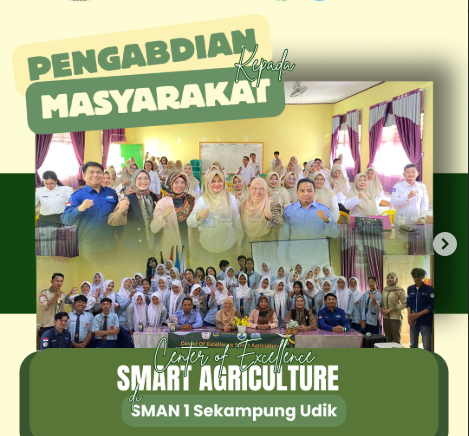
The Center of Excellence (CoE) Smart Agriculture of Teknokrat Indonesia University carried out Community Service at SMAN 1 Sekampung Udik to strengthen students’ technological literacy.

The Center of Excellence (CoE) for Smart Agriculture at Teknokrat Indonesia University once again held a Community Service activity at SMAN 1 Sekampung Udik on Wednesday, February 4, 2026. During this activity, the CoE team introduced an Internet of Things (IoT)-based drip irrigation system as a modern agricultural solution capable of optimizing plant watering automatically, efficiently, and data-driven. Through interactive presentations and live demonstrations, students were introduced to the concept of agricultural digitalization using sensors, monitoring systems, and IoT technology integration. The activity was enthusiastically received by the students of SMAN 1 Sekampung Udik, who actively participated in each session. In addition to understanding the basic concepts, they also engaged in practical system design and implementation simulations in agriculture. This experience provided new insights into the use of technology to support efficient and sustainable agriculture. It is hoped that this activity will motivate students to continue developing their technological skills and contribute to future smart agricultural innovations. Untuk info lebih lanjut silahkan klik link disini

The Center of Excellence (CoE) Smart Agriculture of Teknokrat Indonesia University carried out Community Service activities at Telkom Lampung Vocational School to improve student competency through the application of technology.

The Center of Excellence (CoE) for Smart Agriculture at Teknokrat Indonesia University (Universitas Teknokrat Indonesia) once again held a Community Service activity at SMK Telkom Lampung on Monday, January 26, 2026. During this activity, the CoE team introduced an Internet of Things (IoT)-based drip irrigation system as a modern agricultural solution capable of optimizing plant watering automatically, efficiently, and data-driven. Through interactive presentations and live demonstrations, students were introduced to the concept of agricultural digitalization, which integrates sensors, monitoring systems, and real-time data processing. This activity received a very positive response from SMK Telkom Lampung students, who enthusiastically participated in each event. They not only understood the theory but also participated directly in practical sessions, from system design and IoT device integration to implementation simulations in agriculture. This experience provided new insights into the application of technology to improve the efficiency and sustainability of the agricultural sector. It is hoped that this activity will motivate students to continue developing their skills in digital technology and contribute to creating smart agricultural innovations in the future. Untuk info lebih lanjut silahkan klik link disini

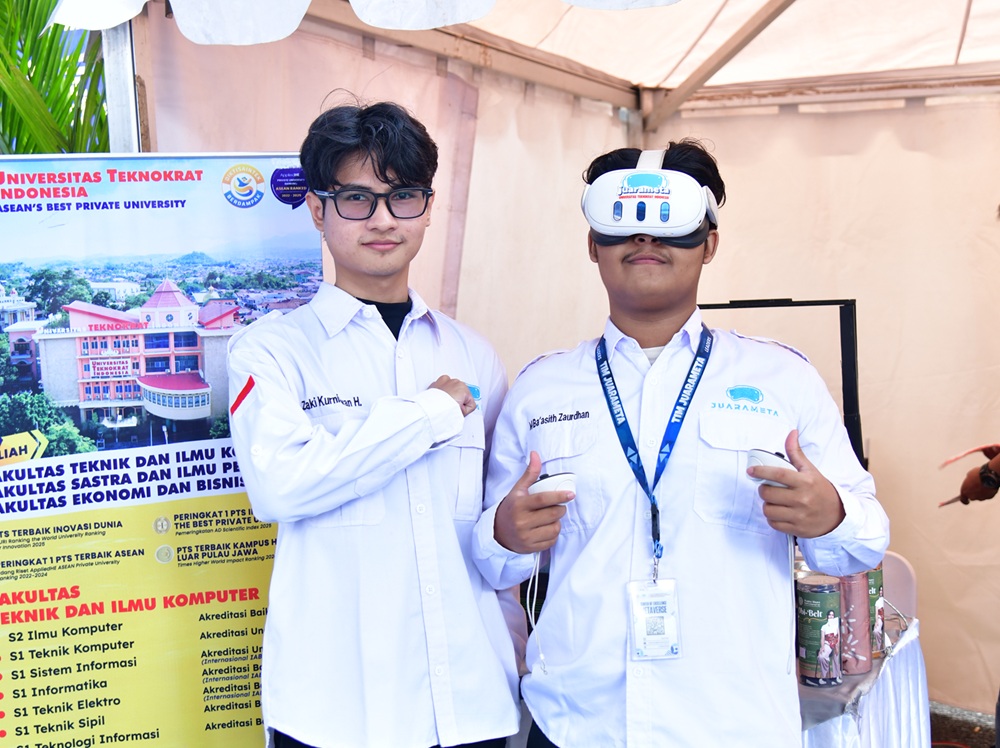
Universitas Teknokrat Indonesia, through its Center of Excellence (CoE) Metaverse, is currently conducting an Edufair Campus Expo at SMAN 1 Sukadana.

This activity aims to provide students with insights into higher education, including study programs, campus facilities, and career opportunities in the digital era. During the event, the Universitas Teknokrat Indonesia team presented several topics, including: The students showed great enthusiasm throughout the activity. They actively participated and asked questions regarding higher education opportunities and their future career paths. Through this Edufair Campus Expo, Universitas Teknokrat Indonesia hopes to assist students in choosing the right educational path and preparing themselves for future challenges. Closing This activity is expected to strengthen collaboration between universities and schools and to encourage the development of a generation ready to compete in the global era. For more information, you can directly check this following link.

Scroll to top