Year: 2026

Inovasi Smart Agriculture Universitas Teknokrat Indonesia Diperkenalkan di ILDEX Indonesia 2026

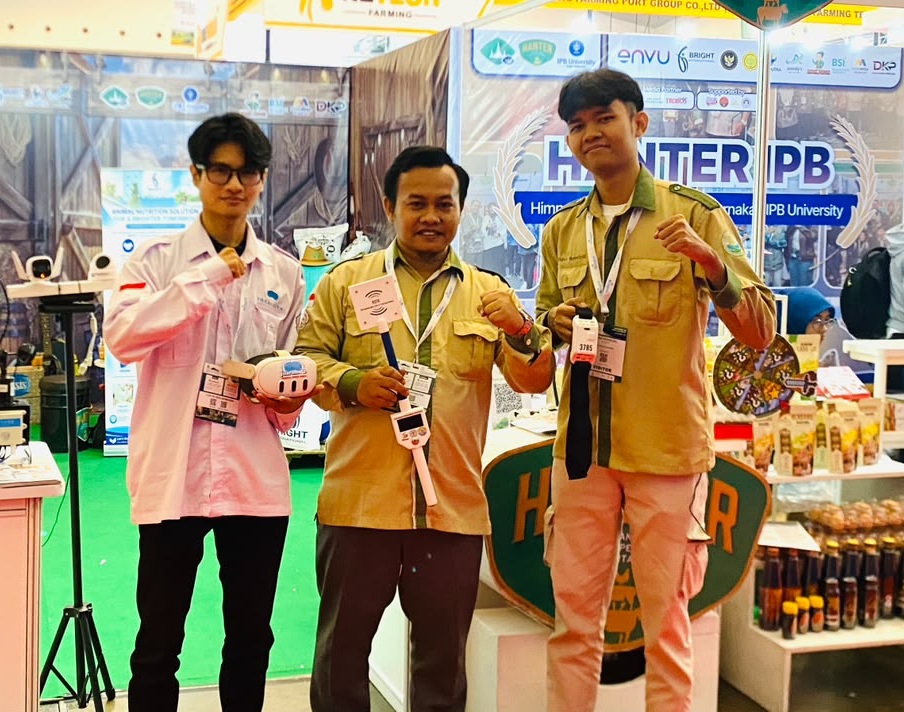
Pemanfaatan teknologi digital dalam sektor peternakan terus berkembang seiring kebutuhan terhadap sistem pengelolaan ternak yang lebih terukur dan efisien. Hal tersebut turut ditunjukkan melalui keikutsertaan Center of Excellence (CoE) Smart Agriculture Universitas Teknokrat Indonesia dalam ILDEX Indonesia 2026 yang berlangsung di Indonesia Convention Exhibition (ICE) BSD, Tangerang, pada 17–19 September 2026. Dalam kegiatan tersebut, Universitas Teknokrat Indonesia menghadirkan inovasi berbasis teknologi yang berkaitan dengan pengembangan sektor peternakan modern. Kegiatan ini diikuti oleh mahasiswa Dhavi Novrizal dari Program Studi Teknik Komputer dan Naufal Halim dari Program Studi Informatika dengan pendampingan Dr. Sc. Dedi Darwis, S.Kom., M.Kom., CDSP. Salah satu inovasi yang diperkenalkan melalui kegiatan tersebut adalah StegoIoT, sistem peternakan cerdas yang dikembangkan melalui CoE Smart Agriculture. Teknologi ini memanfaatkan Internet of Things (IoT) dan teknologi steganografi untuk mendukung proses pemantauan serta pengelolaan data ternak. Menghubungkan Perangkat IoT dengan Pengelolaan Ternak StegoIoT dikembangkan dengan menggabungkan beberapa perangkat yang memiliki fungsi berbeda dalam proses pemantauan ternak. Sistem tersebut mencakup Digital Smart Collar, StegoStick berbasis RFID, serta timbangan cerdas berbasis load cell. Digital Smart Collar digunakan untuk membantu memantau kondisi sapi secara real-time. Sementara itu, StegoStick memanfaatkan RFID untuk proses identifikasi ternak sekaligus menerapkan mekanisme pengamanan data menggunakan teknologi steganografi. Komponen lainnya berupa timbangan cerdas berbasis load cell yang membantu proses pencatatan bobot ternak secara lebih praktis dan terukur. Penggabungan beberapa perangkat tersebut menjadi gambaran bagaimana teknologi IoT dapat diterapkan pada lingkungan peternakan untuk menghasilkan sistem pemantauan yang lebih terintegrasi. Tidak Hanya Sensor, Keamanan Data Juga Menjadi Perhatian Pengembangan sistem peternakan berbasis teknologi tidak hanya berkaitan dengan kemampuan perangkat dalam mengumpulkan data. Aspek keamanan informasi juga menjadi bagian yang diperhatikan dalam StegoIoT. Selama kegiatan ILDEX Indonesia 2026, interaksi dengan pengunjung memberikan kesempatan bagi tim untuk menjelaskan penerapan teknologi tersebut secara langsung. Salah satu hal yang mendapat perhatian adalah penggunaan teknologi steganografi dalam pengamanan data ternak. Hal tersebut menjadi bagian menarik dari pengembangan Smart Agriculture karena semakin banyaknya penggunaan perangkat digital dalam peternakan juga membuat pengelolaan dan perlindungan data menjadi aspek yang perlu diperhatikan. Membawa Riset Kampus Lebih Dekat dengan Dunia Industri ILDEX Indonesia 2026 menjadi ruang bagi tim Universitas Teknokrat Indonesia untuk memperkenalkan hasil pengembangan teknologi secara langsung kepada pengunjung dan pelaku industri. Dalam pameran tersebut, Universitas Teknokrat Indonesia tercatat sebagai satu-satunya perguruan tinggi swasta dari Indonesia yang diundang untuk memamerkan inovasi teknologi. Bagi mahasiswa, kegiatan tersebut juga menjadi kesempatan untuk memperoleh pengalaman di luar lingkungan akademik. Penjelasan mengenai teknologi kepada pengunjung memungkinkan mahasiswa melihat secara langsung berbagai pertanyaan, tanggapan, dan kebutuhan yang muncul dari calon pengguna maupun pihak industri. Pendampingan Dr. Sc. Dedi Darwis, S.Kom., M.Kom., CDSP. turut menjadi bagian dari proses tersebut. Keterlibatan mahasiswa dalam pameran internasional memberikan pengalaman untuk memahami bagaimana sebuah hasil riset dapat diperkenalkan, dijelaskan, dan mendapatkan masukan dari lingkungan industri. Smart Agriculture sebagai Ruang Kolaborasi Teknologi dan Peternakan Keikutsertaan dalam ILDEX Indonesia 2026 memperlihatkan salah satu arah pengembangan Smart Agriculture Universitas Teknokrat Indonesia, yaitu menggabungkan teknologi digital dengan kebutuhan sektor pertanian dan peternakan. Melalui StegoIoT, teknologi seperti IoT, RFID, sensor, load cell, dan steganografi diterapkan untuk mendukung pemantauan ternak sekaligus pengelolaan data. Pendekatan tersebut menunjukkan bahwa transformasi digital dalam peternakan tidak hanya berfokus pada otomatisasi, tetapi juga mencakup identifikasi, pencatatan, pemantauan, dan keamanan informasi. Kehadiran inovasi tersebut di ILDEX Indonesia 2026 menjadi kesempatan untuk memperkenalkan pengembangan Smart Agriculture kepada lingkungan industri yang lebih luas. Selain memperlihatkan hasil riset, kegiatan ini juga membuka ruang bagi mahasiswa dan dosen untuk memperoleh wawasan mengenai perkembangan teknologi serta kebutuhan sektor peternakan. Dengan membawa inovasi dari lingkungan kampus ke forum industri internasional, CoE Smart Agriculture Universitas Teknokrat Indonesia terus mendorong pengembangan teknologi yang dapat diterapkan pada kebutuhan nyata di bidang pertanian dan peternakan.

Leadership Education Program 2026 : Mahathir Muhammad Tekankan Kepemimpinan Dimulai dari Kemampuan Memimpin Diri Sendiri

Bandar Lampung – True leadership is not determined by a title or formal position, but rather by a person’s ability to exercise self-control, set an example, inspire others, and bring about positive change. This message was conveyed by the Vice Rector of the University of Teknokrat Indonesia, Dr. H. Mahathir Muhammad, S.E., M.M., while serving as a guest speaker in the University of Teknokrat Indonesia’s 2026 Leadership Education Program (LEP) series on Friday, August 7, 2026. During the orientation session attended by hundreds of students, Mahathir encouraged participants to understand leadership from its most fundamental foundation: self-leadership. According to him, a person cannot effectively lead others if they are not yet able to manage their own attitudes, actions, emotions, and personal responsibilities. Leadership Is More Than Just a Title Mahathir explained that a good leader is not merely an individual who holds a certain position or possesses specific authority. More than that, a leader must possess the personal capacity to exert a positive influence on their surroundings. An ideal leader, he said, must be able to set an example, share a common vision, inspire others, empower team members, uphold honesty, possess competence, and have the courage to bring about change. “A leader is not just someone who holds a title. A leader is someone who is able to set an example, share a common vision, inspire and empower others, and possess the integrity and competence to bring about change,” said Mahathir. Leadership Starts with Yourself In his presentation, Mahathir identified self-control as the cornerstone of building a leader’s character. According to him, leadership must begin within oneself before one attempts to guide or lead a larger group. Self-control serves as the foundation for developing a responsible and consistent attitude, as well as the ability to handle various situations. “Being a leader means having the courage to take control of oneself, taking responsibility for one’s actions, maintaining a positive attitude, having the courage to admit mistakes, learning from those mistakes, and giving recognition to others when they truly deserve it,” he said. Mahathir believes that the courage to admit mistakes is not a sign of weakness in a leader. On the contrary, it is part of leadership maturity because it demonstrates a willingness to learn and improve. Leaders Cannot Work Alone In addition to personal abilities, Mahathir emphasized the importance of the ability to build relationships and collaborate within an organization. According to him, no leader can achieve an organization’s goals alone. Every achievement requires the contribution of team members, each with their own competencies, roles, and responsibilities. “The success of an organization relies heavily on group synergy. A leader must be able to build a team, harness the potential of each member, and create an environment that allows everyone to contribute,” he explained. Building a Strong Team Mahathir explained that a solid team requires several key elements. These include a shared goal understood by all members, a clear division of tasks and responsibilities, effective communication, sound decision-making mechanisms, and positive personal relationships. These conditions will foster a healthy organizational environment while encouraging each member to contribute to the fullest extent possible. In the context of student organizations, the ability to build a team becomes even more important because students will encounter a diverse range of personalities, perspectives, and backgrounds. Therefore, leadership must be built through communication, trust, empathy, and the ability to value each member’s contributions. Tiered Leadership Toward Impact Mahathir emphasized that the process of becoming a leader does not happen overnight. Leadership is a gradual process that begins with a commitment to oneself, then develops into the ability to influence and inspire others, and ultimately leads to building a team capable of achieving shared goals. “Leadership isn’t just about leading others; it begins with the ability to lead oneself. Once we are able to lead ourselves, we learn to influence and inspire others, and then build a solid team to achieve common goals,” he concluded. LEP 2026: Shaping Young Leaders of Character The material presented by Mahathir was part of the Leadership Education Program 2026 (LEP 2026) organized by the Indonesian Technocrat University as an effort to build students’ leadership capacity. The program is designed not only to improve managerial skills but also to foster character, integrity, communication skills, teamwork, decision-making, and the courage of students to become agents of change. Universitas Teknokrat Indonesia believes that strengthening students’ leadership capacity is a crucial part of preparing the younger generation to face the dynamics of the workplace, society, and global challenges. Aligned with the SDGs Agenda The development of character and leadership competencies through LEP 2026 also supports the achievement of the Sustainable Development Goals (SDGs), particularly SDG 4: Quality Education. This program broadens the meaning of education by focusing not only on academic abilities but also on building skills, character, communication, leadership, and the ability to collaborate. This initiative is also relevant to SDG 8: Decent Work and Economic Growth, as leadership, team-building skills, communication, and responsibility are essential competencies needed by the younger generation to enter the professional world and contribute productively. Furthermore, fostering young leaders of integrity who can build effective organizations supports SDG 16: Peace, Justice, and Strong Institutions by reinforcing the values of accountability, transparency, integrity, and decision-making oriented toward the common good. Through the 2026 Leadership Education Program, Universitas Teknokrat Indonesia continues to strengthen its commitment to nurturing a young generation that is not only academically excellent but also capable of leading themselves, inspiring others, fostering collaboration, and creating a positive impact on society and the nation.

“LANGUAGE EMERGENCY” BY DR AFRIANTO, SS M.HUM

Bandar Lampung, – “Prioritize the Indonesian language, preserve regional languages, and master foreign languages”. This slogan colors the linguistic treasures in the archipelago. However, have you thought about the extent to which local languages ​​are preserved? Forgotten, abandoned, until finally extinct. Lampung has a language (known as Lampung language) which is divided into two main dialects (api and nyow). Each dialect has different characteristics, various sub-dialects and has a writing system in the form of letters. This shows that the Lampung language is rich in linguistic elements when viewed linguistically. In addition, geographically, Lampung Province is a transit area (stopover) between the islands of Java and Sumatra, especially the land route. In addition to the natives, the people who live in Lampung come from various regions outside the province of Lampung, so it can be said that the people of Lampung have blended various ethnicities, cultures, and languages. Having a variety of languages ​​and being a transit area affects the use of the Lampung language. In the fields of commerce, government, and even daily communication, people tend to use Indonesian. Because, in this case the Indonesian language becomes a unifying language in Lampung society and facilitates communication. This indirectly affects the existence of the Lampung language. Furthermore, the population of Lampung in 2018 was 9 million people and it was recorded that around 1 million people were teak speakers. This figure raises the hypothesis that the Lampung language will lose its true speakers. Regarding teak speakers, in 2017, a study that examined the language attitudes of students (Lampung native speakers) concluded that the majority of informants had a negative attitude. In a sense, they tend to use Indonesian, both when talking to their parents and relatives at home or in public places as well as when talking to friends who are also of Lampung ethnicity. In addition, it was also found that the family as the core scale of Lampung language learning is passive, resulting in children not being proficient in Lampung language. According to UNESCO, if at this stage children no longer use their mother tongue at home, the language is threatened with extinction. Another fact is also found in Ethnologue (a page that provides metadata for languages ​​in the world) that the Lampung language is in the threatened category (endangered), both dialects of fire or nyow). Likewise, according to Moseley, that Indonesia has 146 endangered languages, one of which is the Lampung language. Furthermore, there are also other problems related to research on the linguistic elements of the Lampung language. Arka found that from 1975 to 2007 there were 335 regional grammar studies and only 9 Lampung grammar studies were recorded. This means that research on Lampung grammar is still limited. Basically, from the facts mentioned above, it can be concluded that there are four factors that influenced the extinction of the Lampung language, namely transit areas, language diversity, population of native speakers, language attitudes, and limited studies. The complexity of these triggering factors is clearly visible before our eyes. So let’s try to save it. The efforts that can be made include: social field. Using the Lampung language in daily conversations starting from the family environment to public places and introducing the Lampung language through learning at school by prioritizing Lampung language skills. Studying and researching the Lampung language then publishing it in national and international journals and presented at national and international seminars or conferences. In closing, this is the time for us Lampung people to unite and echo “For You, My Lampung”. [Dr Afrianto, SS M.Hum, Lecturer at the Universitas Teknokrat Indonesia]

UNIVERSITAS TEKNOKRAT INDONESIA SIGN MCC WITH A LANGUAGE BOARD

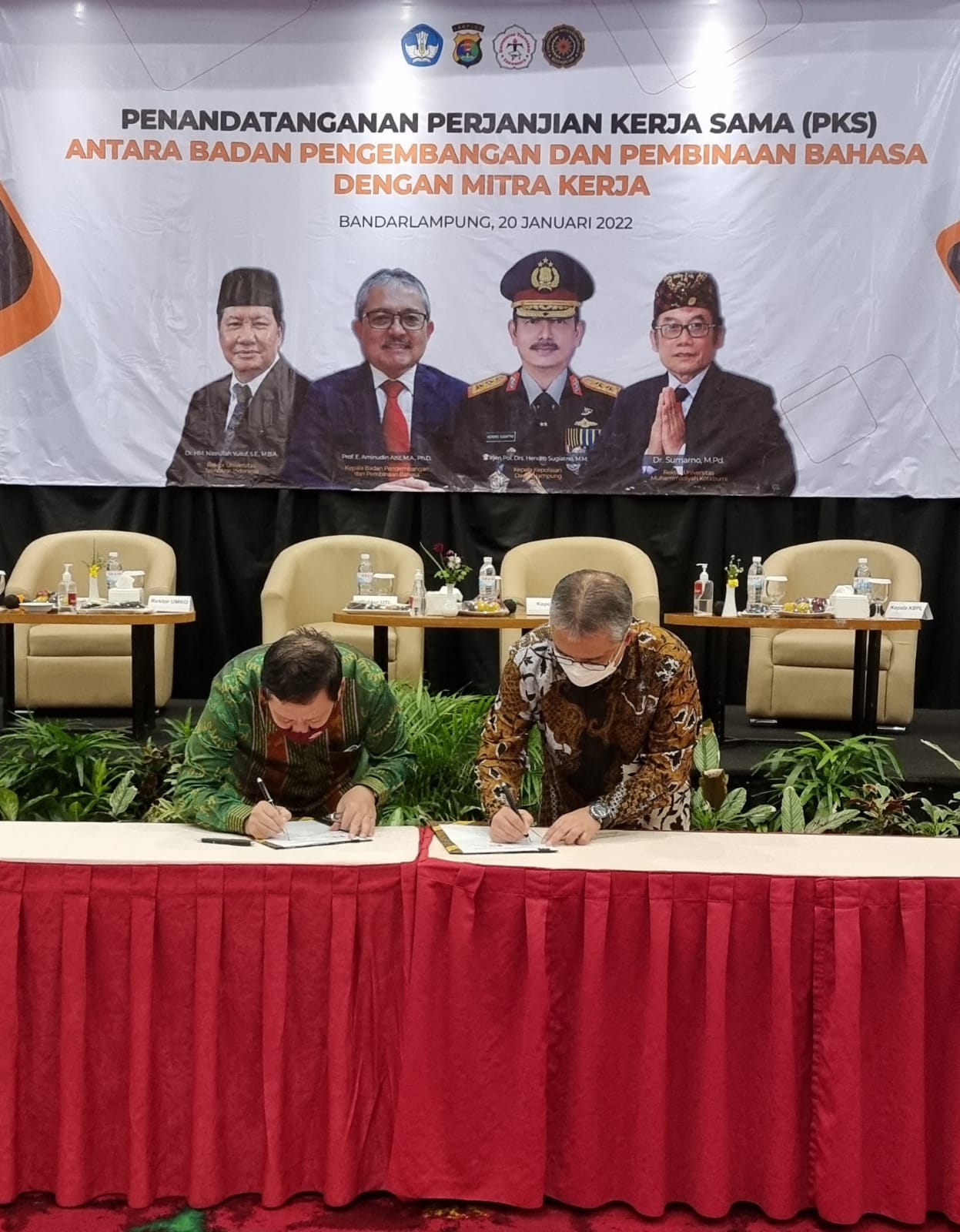
To elevate the dignity of the Indonesian language, the Language Development and Development Agency of the Ministry of Education and Culture collaborated with partners including the Universitas Teknokrat Indonesia(UTI) Green Campus Sang Champion Thursday (20/1) at Emersia Hotel and Resort. The signing of the Cooperation Agreement (PKS) was carried out by the Head of the Language Development and Development Agency of the Ministry of Education and Technology Prof. E. Aminudin Aziz, M.A., Ph.D. with the Chancellor of UTI Dr. H Nasrullah Yusuf, SE., MBA., witnessed by the Head of Language Office Eva Krisna and other invited guests. Head of the Kemendikbudristek Language Development and Development Agency Prof. E. Aminudin Aziz, M.A., Ph.D. said if the implementation of the contents of the agreement is the main thing by involving universities to the police. The Head of the Language Development and Development Agency, Prof. E. Aminuddin Aziz, MA, Ph.D. would like to thank all leadership levels including the Universitas Teknoktrat Indonesia for their readiness and willingness to formally cooperate with the Language Development and Development Agency. “Hopefully this can be followed up immediately, and not just a signature. But moving to realize a shared vision and mission,” he said. Chancellor of the Universitas Teknokrat Indonesia Dr. HM Nasrullah Yusuf, SE., MBA. The development of a language, including Indonesian, cannot be separated from the world of education. “Including how students can not only speak Indonesian properly and correctly, but also can convey well regarding their needs,” said Dr. Nasrallah in his speech. He explained, various awards and achievements from lecturers and students from the Universitas Teknokrat Indonesia at International and National. “This is one way to raise our universities at the International and National level, we are also heading for a World Class University,” he continued. Dr. Nasrullah hopes that the achievements of the Universitas Teknokrat Indonesia Best PTS Sumatra can inspire all parties. In the event there was also a speech degree Dr. Nasrullah was one of the speakers. He said that the use of Indonesian in public spaces should not only be good and right, but also be appropriate. This needs to be campaigned on an ongoing basis. “In addition, many people can speak but cannot hear well, this is something that must also be addressed in the future. Then you must also be able to speak Indonesian properly and correctly when writing,” he explained. “We convey language not only speaking, writing, and listening. But also through digital literacy. That also needs to be thought about,” said Dr. Nasrallah further. UTI Chancellor Dr. Nasrullah said that in the world there are many languages that attract the world’s attention, especially big countries such as China, Arabic, Korean, English which are worldwide. This can happen due to many factors including Education and Trade. “Like Arabic, Chinese, and others, it’s because of trade as well as education. For this education factor, Indonesia can attract foreign students. Or if you want to accept foreign students, say Palestine, they have to learn the language first so they don’t have problems later,” he said. In addition, the chancellor, who recently received the best songwriter award from the Indonesian Chancellor Forum, also mentioned that the lecturer who is currently studying in Ireland introduced the Indonesian language used by the mass media. “They show the articles written in the newspapers here to the lecturers there, this is the language used,” he said. In addition, the digital literacy program that has been used by the Universitas  Teknokrat Indonesia for a long time can be a new thought, so as not to be fixated on new things. “It is necessary to encourage good language, the Universitas Teknokrat Indonesia has carried out digital literacy in a different way of delivery. said Dr. Nasrullah In conclusion, we convey that language is no longer writing, speaking, but listening using digital literacy, from practice it must be a new thought and motivation,” he said. The Head of the Lampung Language Office, Dr. Eva Krisna, M. Hum., and Lampung Police Chief Inspector General. Pol. Drs. Hendro Sugiatno, MM. (teknokrat)

International Visiting Lecture Series English Language Education Study Program Universitas Teknokrat Indonesia ASEAN’s Best Private University

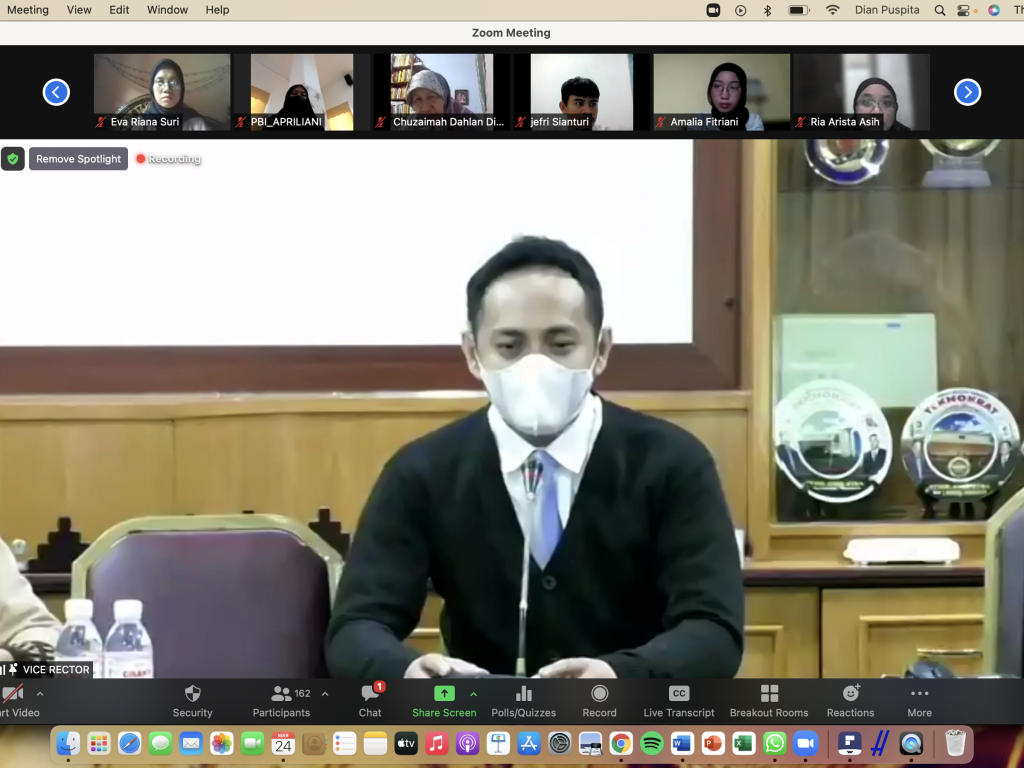
Universitas Teknokrat Indonesia was holding an international visiting lecturer program (International Visiting Lecture) in the English Education Study Program (Thursday, March 24, 2022). The speaker in this lecture is Dr. Dennis Alonzo from the University of New South Wales. The topic in this lecture was “How to conduct quantitative classroom research: design and data analysis” which was attended by more than 190 participants, both lecturers and students at Universitas Teknokrat Indonesia, as well as students from overseas campuses. Dr. Dennis Alonzo completed his Master in Assessment and Evaluation, The University of Melbourne in 2007 and a Ph. D. in Education from the University of New South Wales, Australia in 2016. He was Program Director, Bachelor of Education from 2018 to 2021. Dr. Dennis Alonzo Dennis is a test and scale developer, program evaluator, curriculum designer, and applied statistician. His area of interest revolves around Assessment for Learning (AfL) particularly in supporting teachers to make highly contextualised, consistent, fair, and trustworthy assessment decisions to effectively support student learning. He has been involved in a number of international and national research projects. He also researches on a broad range of topics including student IT experiences, blended and online learning, standards-based assessment, and learning analytics to help inform curriculum design, professional development, and policy. He has received various scholarships from Australian governments and a public diplomacy scholarship from the Ministry of Foreign Affairs of Korea. His latest research is entitled “Acquisition of teacher assessment literacy by pre-service teachers: A review of practices and program designs”. This paper highlights the characteristics of ITE assessment programs in terms of their orientation, content focus, outcomes measure, approaches and duration. Despite the peculiarities of each program, all studies reported their effectiveness in improving a specific area of PST assessment literacy. From our scoping review, it is evident that this body of knowledge is limited and hence more studies are needed to provide a richer conceptualisation of ITE assessment programs. As a result of this review, Dr Dennis Alonzo also developed a framework for designing and implementing an ITE assessment program. On this occasion, the lecture was held on March 24 at 16.00 WIB or 20.00 Australian time through a zoom meeting with the following activities. 1. Message from the Vice Chancellor for Cooperation and General Affairs – Achmad Yudi Wahyudin, S.Pd., M.Pd. 2. Speech by the Dean of the Faculty of Letters and Educational Sciences – Dr. Heri Kuswoyo, S.S., M. Hum. 3. Introduction of resource persons and lecture moderators by the Head of the English Education Study Program – Lulud Oktaviani, S.Pd., M.Pd. 3. Presentation – by Dr. Dennis Alonzo 4. Discussion session – attended by lecturers and students The discussion took place very interactively where the participants actively participated during the lecture through direct survey applications and workshops using padlets. Furthermore, lecturers and students engaged in lengthy question and answer sessions with speakers from the University of New South Wales – Dr. Dennis Alonzo. His presentation on “How to conduct quantitative classroom research: design and data analysis” was very interesting and he appreciated the questions that arose which became the subject of joint discussion for lecturers and students of Universitas Teknokrat Indonesia. According to Dr. Mahathir Muhammad, S.E., M.M. Vice Rector of Universitas Teknokrat Indonesia, ASEAN’s best private university is proven by continuing to support and make efforts to provide the best education for students. One of the efforts to improve the quality of education is to have qualified and reputable lecturers. This program, which is called an international visiting lecturer, is an effort made to provide the best lectures. In addition, through this activity, students also have the opportunity to have international experience, by attending international lectures and interacting with the international community, such as lecturers and students from abroad. (Teknorat)

CAREER OPPORTUNITIES FOR CIVIL ENGINEERING GRADUATES IN MINING FIELD

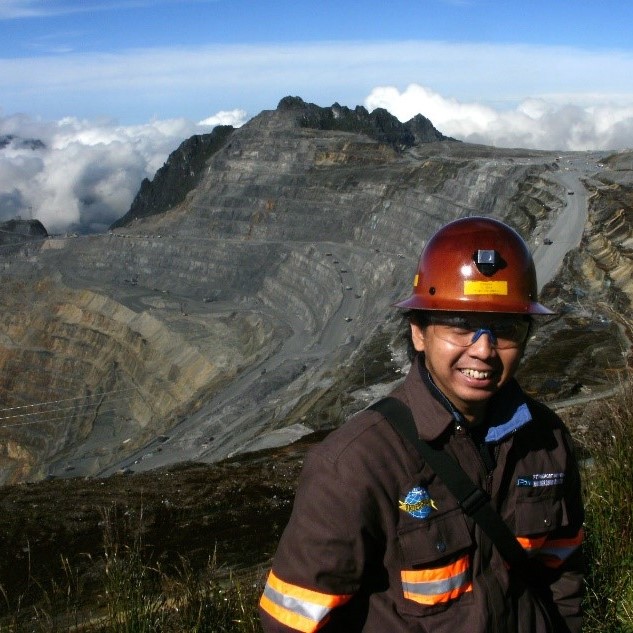
WOW Career Opportunity !!! Hello champions, when we talk about career opportunities for Civil Engineering graduates, most people usually think about jobs in construction, such as contractors, planning consultants, supervising consultants, employees in state-owned construction companies, or civil servants in the Public Works sector. However, Civil Engineering graduates also have many opportunities to work in the mining industry. According to Law Number 4 of 2009 concerning Mineral and Coal Mining, mining activities include several stages, starting from general investigation, exploration, feasibility studies, construction, mining, processing and refining, transportation and sales, to post-mining activities. Construction is one of the important parts of mining operations. Therefore, Civil Engineering graduates who have knowledge and skills in construction planning and design also have good opportunities to build careers in the mining sector. Benefits of Mining Activities in Career Opportunities Currently, there are still some negative perceptions among the general public regarding career opportunities in mining activities, especially regarding environmental pollution caused by mining operation waste. This has actually been regulated by the government through its legal products so that if it is managed properly, the waste generated from mining activities should not disturb the harmony of nature, especially the environment around the mining area. The thing that must be known by a champion friend is that almost all industrial machines and electronic devices that we have ever known such as televisions, smartphones, power cables, lights, air conditioners and even laptops that the author is currently using to write articles require copper material as the main component for the device it can work. Other mining minerals such as aluminum, iron, tin are also useful as basic materials for making aircraft structures, modes of transportation, household products, construction materials and many other things that are used daily by humans. So like it or not or like it or not, mining activities must still be carried out as long as the minerals from the mine cannot be cultivated like plants. A foreign proverb says if you can’t grow it, you have to mine it. Therefore, by being involved in environmentally sound mining activities, it has indirectly helped humans in carrying out and facilitating their daily activities. Civil Engineering Science There Are Career Opportunities in Mining Activities Career opportunities for civil engineering graduates can be divided into four activities in mining projects, namely open pit mine operations, underground mine operations, environmental management, and urban planning and development. Then what civil engineering sciences can play a role in these activities? Open Mining and Closed Mining Career Opportunities Buddy champion, there are generally two main mining methods used in the mineral and coal mining industry: open-pit mining and underground mining. Open-pit mining is closely connected to slope stability because mining activities create pits on the surface that become wider as the excavation gets deeper. Meanwhile, underground mining requires knowledge of tunnel planning, design, and construction. Civil Engineering knowledge that can be applied in both mining methods includes the planning and operation of heavy equipment, slope stability, land surveying, soil compaction, soil and rock mechanics, reinforced concrete structures, as well as hydrology and hydraulic engineering. Career Opportunities in Environmental Management Another important area in mining operations is environmental management. This field covers activities such as environmental monitoring, waste management, land reclamation, and other efforts to reduce the environmental impact of mining. Environmental management is also related to Civil Engineering, especially for graduates who have studied environmental engineering and management. Therefore, Civil Engineering graduates with knowledge in this area can contribute to various environmental management activities within the mining industry. Career Opportunities in Urban Planning and Development Many mining operations are located in remote areas, far from cities and residential communities, such as forests, highland areas, or deserts. To provide a comfortable living environment for employees and their families, mining companies often develop residential areas or small communities near the mining site. They also need to build access roads, housing, and other basic infrastructure to support daily activities in these remote locations. The development of these areas involves many fields of Civil Engineering, including construction management, land preparation, road design, concrete and steel structures, sheet pile construction, urban planning, and drainage systems. Therefore, Civil Engineering graduates can also find career opportunities in the planning and development of residential and infrastructure facilities around mining areas.

Teknokrat Ambassador Zafira Mutiara Pelangi Wins First Place in the Speech Competition at the 2026 Leadership Education Program at Universitas Teknokrat Indonesia

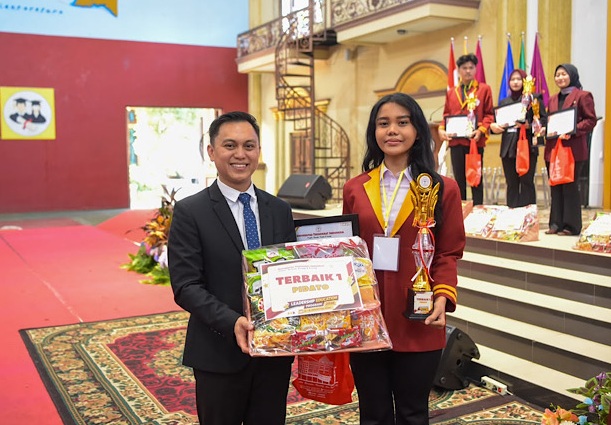
First Debut in the Leadership Education Program For Zafira, participating in the 2026 Leadership Education Program was a deeply memorable first experience. She said she felt honored to have the opportunity to take part in a program that brings together students from diverse backgrounds, with varying potentials and organizational experiences. According to her, LEP is not only a competition but also provides participants with the opportunity to gain new insights into leadership and personal development. Expanding Horizons Through Seminars and Training Throughout the program, Zafira gained knowledge through seminars, training sessions, and orientation sessions featuring speakers from various fields. This diverse range of materials provides participants with the opportunity to broaden their understanding of leadership, communication, personal development, and the skills needed to face future challenges. That experience served as valuable preparation for Zafira as she participated in the speech competition and helped deepen her understanding of what leadership means. Conveying a Message About Self-Confidence and Leadership In the speech competition, Zafira delivered a message about the meaning of leadership and the importance of building confidence in one’s own abilities. According to her, it is not enough for a leader to simply have the desire to achieve goals; they must also have the courage to fight for their vision and turn ideas into reality. That message was a key part of her performance in the competition. Her ability to convey ideas with confidence while crafting a relevant message was one of Zafira’s strengths that helped her reach the top spot. Appreciation for Her Alma Mater’s Support Behind this achievement, Zafira acknowledges the support she received from the academic and social communities at the Universitas Teknokrat Indonesia. He expressed his appreciation to the university, his friends, and the faculty members who had supported him throughout the program. This support is part of an ecosystem that helps students have the courage to seize opportunities, participate in competitions, and develop their potential beyond academic learning. Vice Rector Commends Zafira’s Achievement The Vice Rector of the Indonesian Technocrat University, Dr. H. Mahathir Muhammad, S.E., M.M., also commended Zafira Mutiara Pelangi on her success. Mahathir expressed his pride in this achievement and encouraged Zafira to continue maintaining her drive to excel. “This achievement deserves recognition. We hope Zafira can continue to develop her skills, maintain her passion for learning, and achieve further success in various opportunities,” said Mahathir. According to him, students’ achievements in the fields of communication, leadership, and competitions are part of the character-building process and help prepare students for the professional world. Aligned with Strengthening Quality Education Zafira’s achievement in the 2026 Leadership Education Program is also linked to the Sustainable Development Goals (SDGs), particularly SDG 4: Quality Education. The development of public communication skills, leadership, self-confidence, and the ability to convey ideas is part of an education that is not only focused on academic achievement but also on the development of students’ competencies and character. These activities also support SDG 8: Decent Work and Economic Growth, as leadership, communication, and professional work skills are essential competencies for the younger generation to enter the workforce and play a productive role in development. Furthermore, strengthening students’ capacity as future leaders aligns with the spirit of SDG 16: Peace, Justice, and Strong Institutions, particularly in fostering a young generation capable of communicating effectively, taking on roles, acting responsibly, and contributing positively to society. Inspiration for Students to Continue Excelling Zafira Mutiara Pelangi’s success in winning first place in the 2026 LEP Speech Competition further strengthens Universitas Teknokrat Indonesia’s commitment to providing students with opportunities to develop their potential and achieve excellence. It is hoped that this achievement will not remain merely a personal accomplishment but will also serve as an inspiration for other students to have the courage to take the stage, hone their skills, participate in various competitions, and take on roles in leadership and self-development activities. As a Teknokrat Ambassador and an outstanding student, Zafira is expected to continue serving as a positive representative of her alma mater and to develop her communication and leadership skills to make broader contributions. This achievement also reaffirms the spirit of Universitas Teknokrat Indonesia as the “Campus of Champions” in shaping students who are outstanding, confident, principled, creative, and ready to become part of the next generation of leaders at both the national and global levels. Translated with DeepL.com (free version)

Promoting Renewable Energy Literacy, Universitas Teknokrat Indonesia Holds Solar Panel Workshop at SMAN Olahraga Metro

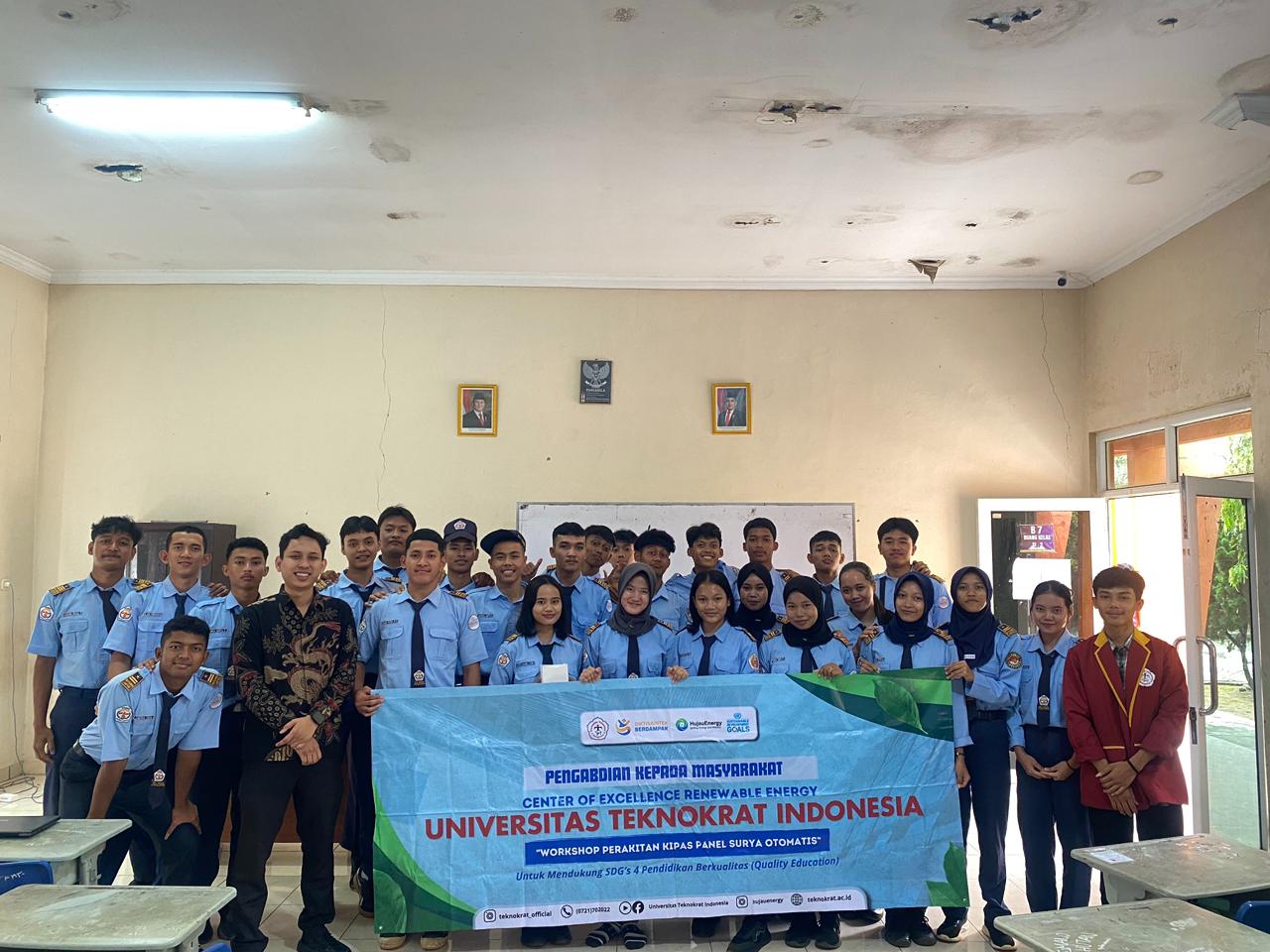
Bandar Lampung – Universitas Teknokrat Indonesia, recognized as one of the leading universities in Lampung, continues to strengthen its commitment to innovation-driven education and community engagement through its Community Service Program (PKM). As part of this commitment, lecturers and students from the Electrical Engineering Study Program, through the Center of Excellence Renewable Energy, organized a hands-on workshop on assembling an automatic fan powered by solar panels at SMAN Olahraga Metro, Lampung. The workshop was designed to provide students with a learning experience that goes beyond theory. XII-grade students were invited to explore the fundamentals of renewable energy through practical activities, including assembling electrical circuits and learning how automation systems can be integrated into a solar-powered fan. The materials were also aligned with the students’ ongoing Physics curriculum, allowing them to connect classroom concepts with real-world technological applications. Throughout the workshop, the students demonstrated strong enthusiasm as they participated in each stage of the activity, from identifying and understanding the functions of various components to assembling the solar-powered system. This hands-on learning approach provided students with an opportunity to develop practical skills while encouraging greater interest in renewable energy and emerging technologies. Vice Rector of Universitas Teknokrat Indonesia, Dr. H. Mahathir Muhammad, S.E., M.M., expressed his appreciation for the implementation of the program. He emphasized that community service activities serve as an important bridge between higher education and real-world needs. “We highly appreciate the initiative of the PKM team in providing students with hands-on learning experiences. Activities like this are essential for developing intellectual capacity, creativity, and the readiness of young people to respond to technological developments,” said Mahathir. He further emphasized that Universitas Teknokrat Indonesia will continue to encourage educational innovations that create tangible benefits for society, particularly through the development and introduction of environmentally friendly technologies. Through this workshop, students gained not only new technical skills but also a deeper understanding of the importance of clean energy as part of a sustainable future. The program is expected to encourage young people to develop an adaptive, innovative, and sustainability-oriented mindset from an early stage. The PKM program also reflects Universitas Teknokrat Indonesia’s contribution to the achievement of the Sustainable Development Goals (SDGs). In particular, the initiative supports SDG 4: Quality Education by providing innovative, practice-based learning, as well as SDG 7: Affordable and Clean Energy by introducing renewable energy technology to the younger generation. Through initiatives such as this, Universitas Teknokrat Indonesia continues to strengthen its role in developing human resources who are academically capable, technologically aware, environmentally conscious, and prepared to contribute to a sustainable future.

Universitas Teknokrat Indonesia Showcases Metaverse and AI-Powered Food Waste Detection at the 81st Pengayoman Day Celebration

Bandar Lampung – Universitas Teknokrat Indonesia (UTI) continues to demonstrate its commitment to using technology to address real-world challenges. This commitment was reflected in UTI’s participation in the 81st Pengayoman Day celebration organized by the Regional Office of the Ministry of Law in Lampung, under the theme “Digital Transformation for Caring and Impactful Legal Services.” At the event, Universitas Teknokrat Indonesia showcased a range of technology-based innovations and creative works developed by its students. The exhibition highlighted the role of higher education institutions in developing technologies that go beyond academic applications and have the potential to deliver practical benefits to society. Roblox-Based Metaverse for Interactive Digital Experiences One of the innovations that attracted attention was UTI’s metaverse technology based on the Roblox platform. The initiative forms part of the university’s efforts to develop an interactive and immersive digital ecosystem. The metaverse can be utilized for various purposes, including education, entrepreneurship, tourism, and technology-based services. It demonstrates how digital technology can create new experiences that are more interactive, educational, and relevant to the needs of society in the era of digital transformation. The development of metaverse technology also encourages students to move beyond being technology users and become creators and developers of digital innovations. Food Waste Smart: AI Technology for Detecting Food Waste In addition to the metaverse, Universitas Teknokrat Indonesia introduced Food Waste Smart, an innovation developed by students from the Computer Engineering Undergraduate Program. Food Waste Smart uses computer vision technology to detect and analyze food waste left on trays during the implementation of the Free Nutritious Meals (MBG) Program. The technology combines image processing and artificial intelligence to identify the amount of leftover food in a more measurable way. The resulting data can then be used to evaluate consumption patterns and support efforts to reduce food waste. This innovation demonstrates how artificial intelligence can be directed toward solving practical problems. Rather than remaining limited to classroom concepts, student-developed technologies are being designed with practical value and potential for implementation in society. Technology Designed to Address Real-World Challenges The presence of the metaverse and Food Waste Smart at the 81st Pengayoman Day celebration reflects an educational approach that connects learning, research, innovation, and community needs. Through these technologies, Universitas Teknokrat Indonesia emphasizes that digital transformation is not simply about adopting new devices or applications. More importantly, it is about using technology creatively to develop solutions that generate positive impact. “Digital transformation is not only about introducing new technologies, but also about how those technologies can provide real benefits, solve problems, and improve people’s quality of life. Therefore, students need to be continuously encouraged to develop innovations that are relevant to the needs of their time.” Student Entrepreneurship Through UMKM Bazaar Beyond technological innovation, Universitas Teknokrat Indonesia also participated in the event through an UMKM bazaar featuring student-developed creative and entrepreneurial products. The Faculty of Economics and Business (FEB) UTI presented Bloom Tea, while the Faculty of Literature and Education (FSIP) UTI showcased Wastra Aksara. The two products demonstrate that student development at UTI extends beyond academic and technological competencies. Students are also encouraged to create products with economic value while developing their entrepreneurial mindset and creativity. Through activities like this, students gain opportunities to introduce their products, interact directly with the community, and gain practical experience in developing business potential and creative ideas. Strengthening Collaboration Between Higher Education and Government UTI’s participation in the 81st Pengayoman Day celebration also provided an opportunity to strengthen collaboration between higher education institutions, government, businesses, and communities. The university’s presence demonstrates the strategic role of higher education as a center for developing knowledge, technology, innovation, and human resources that can contribute to regional development. Cross-sector collaboration is important to ensure that innovations developed within academic environments have opportunities to be tested, further developed, and implemented on a wider scale. In this way, the outcomes of education and research can extend beyond the campus and generate broader social and economic impact. Supporting Sustainable Digital Transformation Universitas Teknokrat Indonesia continues to foster an academic ecosystem that encourages innovation that is disciplined, high-quality, creative, and innovative. The development of metaverse technology, artificial intelligence, computer vision, and student entrepreneurship forms part of this broader effort. These innovations also demonstrate the important role of higher education in preparing young people for rapid technological change. Students are encouraged to develop critical thinking, creativity, adaptability, and the ability to create technology while considering the needs and interests of society. Supporting the Sustainable Development Goals The activities and innovations presented by Universitas Teknokrat Indonesia are also aligned with the Sustainable Development Goals (SDGs). SDG 4 – Quality Education is reflected through student-led technology development as part of experiential learning, strengthening digital competencies, creativity, and problem-solving skills. The initiatives also contribute to SDG 9 – Industry, Innovation and Infrastructure through the development of metaverse technology, artificial intelligence, and computer vision as innovative approaches to real-world challenges. Meanwhile, Food Waste Smart is relevant to SDG 12 – Responsible Consumption and Production, particularly through the identification and reduction of food waste using data-driven technology. Student entrepreneurship initiatives also support SDG 8 – Decent Work and Economic Growth by strengthening entrepreneurial skills, creativity, and opportunities for young people to develop businesses. Through these contributions, Universitas Teknokrat Indonesia continues to promote education and innovation that are not only focused on technological advancement but also designed to generate sustainable social, economic, and environmental benefits. Becoming Part of Indonesia’s Innovation Ecosystem UTI’s participation in the 81st Pengayoman Day celebration provided an opportunity to introduce academic innovations to a wider audience. Through collaboration among universities, government institutions, students, entrepreneurs, and communities, Universitas Teknokrat Indonesia continues to support the development of an innovation ecosystem capable of addressing the challenges of the digital era. With a commitment to inclusive and impactful digital transformation, Universitas Teknokrat Indonesia will continue encouraging its academic community to develop relevant and sustainable innovations that contribute meaningfully to society and regional development.

Universitas Teknokrat Indonesia Lecturer Serves as Keynote Speaker at International Conference in Peru, Showcasing Metaverse and Immersive Technology Innovations

Bandar Lampung – Universitas Teknokrat Indonesia continues to strengthen its international presence through the achievements of its academic community. Assoc. Prof. Dr.Sc. Dedi Darwis, S.Kom., M.Kom., CDSP., Dean of the Faculty of Engineering and Computer Science (FTIK), was invited to serve as a Keynote Speaker at the prestigious 4th Latin American International Conference on Sustainable Engineering and Education (LAICSEE-2026), organized by the Institute for Engineering Research and Publication (IFERP) on June 19–20, 2026, in Lima, Peru. His participation in the international forum reflects the contribution of Universitas Teknokrat Indonesia academics to the fields of technology, education, and sustainable development through digital innovation. The hybrid conference brought together academics, researchers, and practitioners from various countries. Dedi Darwis delivered a presentation titled “Leveraging Virtual and Augmented Reality for Green Infrastructure Planning, Education, and Sustainable Development.” He shared the stage with keynote speakers from countries including Peru, Oman, Malaysia, Iran, and Bangladesh to discuss innovative approaches to global development challenges in the digital transformation era. Highlighting the Importance of Green Infrastructure During his presentation, Dedi Darwis highlighted the growing challenges associated with rapid urbanization. Urban areas currently account for more than 70 percent of global energy consumption and over 60 percent of greenhouse gas emissions, while the proportion of the global population living in cities is projected to approach 70 percent by 2050. He emphasized that green infrastructure—including urban forests, bioswales, ecological corridors, and green roofs—is increasingly important in addressing the impacts of climate change. “Virtual Reality (VR) and Augmented Reality (AR) can serve as a bridge to accelerate the planning, simulation, and educational processes related to green infrastructure, with greater cost efficiency and lower risks before physical implementation,” Dedi Darwis explained. Introducing Four Pillars of Immersive Technology Dedi Darwis also introduced four major technologies that are being developed at Universitas Teknokrat Indonesia: Augmented Reality (AR), Virtual Reality (VR), Mixed Reality (MR), and the Metaverse. These technologies are developed using modern platforms, including Roblox Studio and Meta Quest 2 and Meta Quest 3, to create more realistic, interactive, and collaborative learning and simulation experiences. According to Dedi Darwis, immersive technology is no longer limited to entertainment. It has increasingly become a strategic tool for education, research, urban planning, environmental conservation, and the development of future industries. Six Applications of VR and AR for Sustainable Development During the conference, Dedi Darwis presented six practical applications of VR and AR in supporting sustainable development: He also highlighted the potential of immersive technology to improve learning effectiveness. According to research referenced in his presentation, VR-based learning can increase knowledge retention by up to 75 percent compared with conventional learning methods. JUARAMETA: Indonesia’s Metaverse Innovation One of the highlights of the presentation was JUARAMETA (Center of Excellence in Metaverse) at Universitas Teknokrat Indonesia. JUARAMETA is a metaverse center focused on developing virtual-world technologies for education, culture, business, and society. It is presented as one of Indonesia’s pioneering initiatives in the field. At the international forum, Dedi Darwis introduced several innovations developed through JUARAMETA, including: These innovations demonstrate how metaverse technology can be applied to expand access to education, preserve cultural heritage, develop the digital economy, and support more inclusive community development. Opening Opportunities for International Collaboration At the conclusion of his presentation, Dedi Darwis invited academics and researchers from Latin America and other countries to explore opportunities for international research collaboration in immersive technology and sustainable development. “Sustainable development challenges are global challenges. Therefore, the solutions we develop must also be collaborative and cross-border. We are open to research partnerships, innovation, and joint technology development with institutions around the world,” he said. Rector Applauds Global Achievement Dr. H.M. Nasrullah Yusuf, S.E., M.B.A., Rector of Universitas Teknokrat Indonesia, expressed his appreciation and pride in Dedi Darwis’ achievement. He stated that the recognition received by Universitas Teknokrat Indonesia academics at international forums demonstrates the university’s growing contribution to global discussions on technology, education, and sustainable development. “We are very proud of Dr. Dedi Darwis’ achievement. His participation as a keynote speaker at a prestigious international conference in Peru demonstrates that Universitas Teknokrat Indonesia can contribute to global conversations about the future of technology, education, and sustainable development. This is a source of pride for the entire academic community,” said Nasrullah Yusuf. He added that the university will continue strengthening its research culture, innovation, and international collaboration to produce work with broader societal impact. Vice Rector Encourages Greater Global Engagement Dr. H. Mahathir Muhammad, S.E., M.M., Vice Rector of Universitas Teknokrat Indonesia, also expressed his appreciation for Dedi Darwis’ international contribution. According to him, the achievement reflects the continued efforts of Teknokrat academics to produce research that addresses contemporary global challenges. “We warmly welcome and take great pride in Dr. Dedi Darwis’ achievement as a keynote speaker at an international conference in Peru. His participation not only represents Universitas Teknokrat Indonesia on the global stage, but also demonstrates Indonesia’s contribution to the development of technology for sustainable development. We hope this achievement will inspire even more Teknokrat lecturers to participate in international academic forums,” Mahathir said. Supporting the Sustainable Development Goals Universitas Teknokrat Indonesia’s participation in LAICSEE-2026 is closely connected to several Sustainable Development Goals (SDGs). The innovations presented by Dedi Darwis support SDG 4 – Quality Education through immersive learning using VR and metaverse technologies, helping enhance educational quality and promote more inclusive learning opportunities. The initiative also contributes to SDG 9 – Industry, Innovation and Infrastructure by applying digital technologies to support more efficient and sustainable infrastructure development. The use of VR and AR in urban planning and environmental conservation is also aligned with SDG 11 – Sustainable Cities and Communities and SDG 13 – Climate Action. Meanwhile, the international research collaboration promoted through the conference supports SDG 17 – Partnerships for the Goals. Dedi Darwis’ participation as an international keynote speaker further highlights Universitas Teknokrat Indonesia’s commitment to developing technology-based innovations that address global challenges while contributing to sustainable development.

Scroll to top